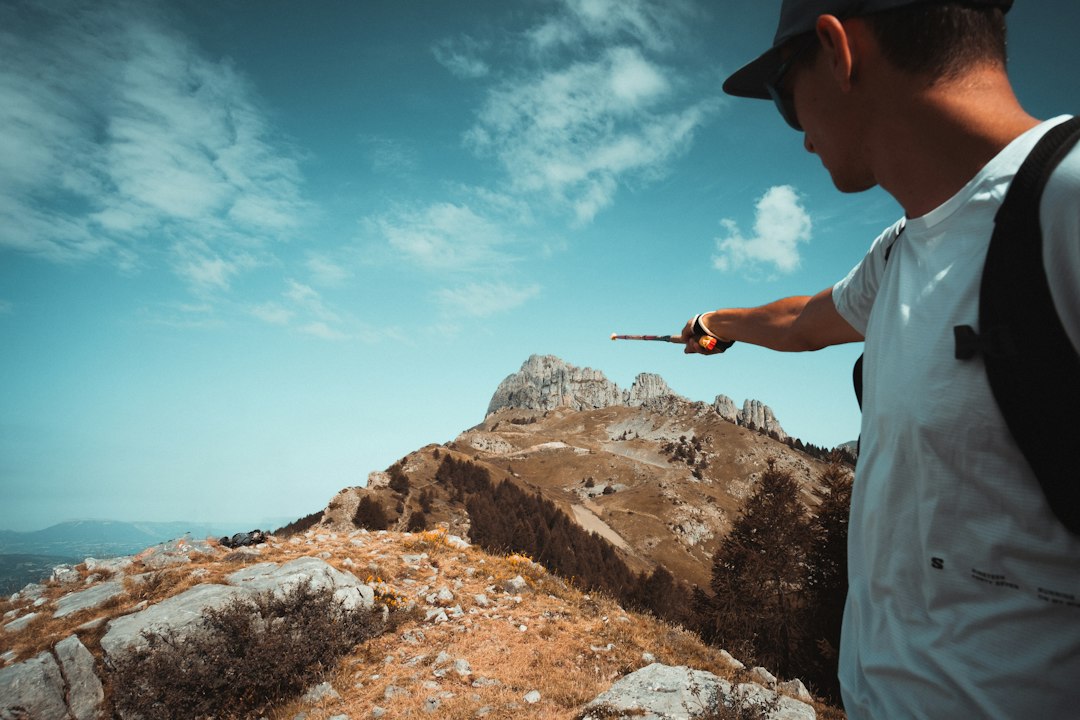
Hiking is an exhilarating way to connect with nature, but having the right gear can make all the difference in your experience. Whether you’re a seasoned hiker or just starting out, knowing what to pack is essential for a successful adventure. At venturekitsap.com, we understand the importance of quality hiking gear, and we’ve compiled a list of the top 10 must-have items for every hiker’s backpack.
1. Durable Backpack
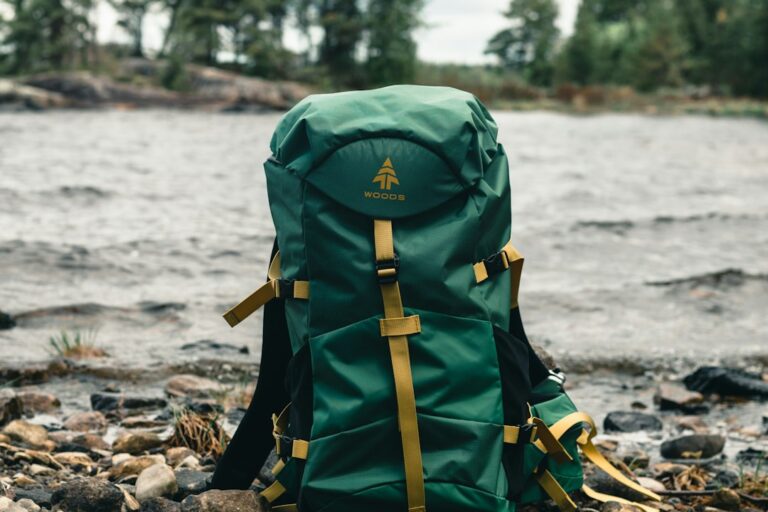
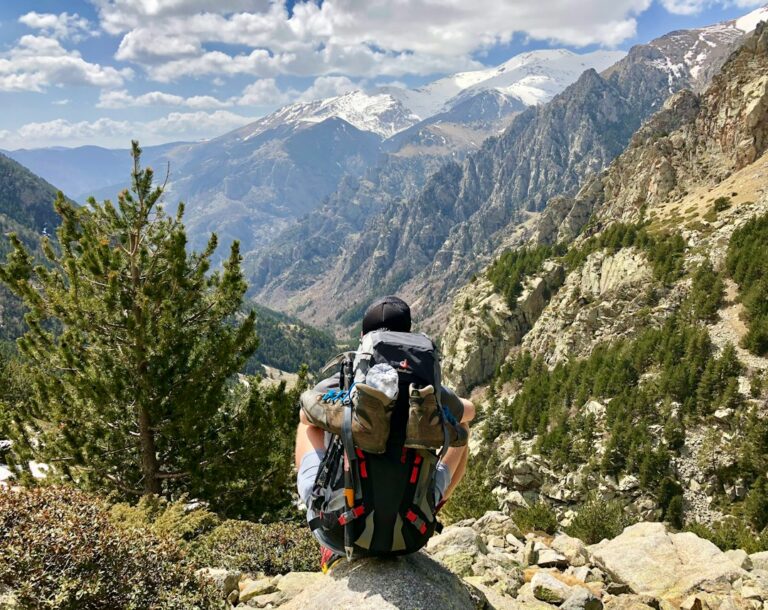
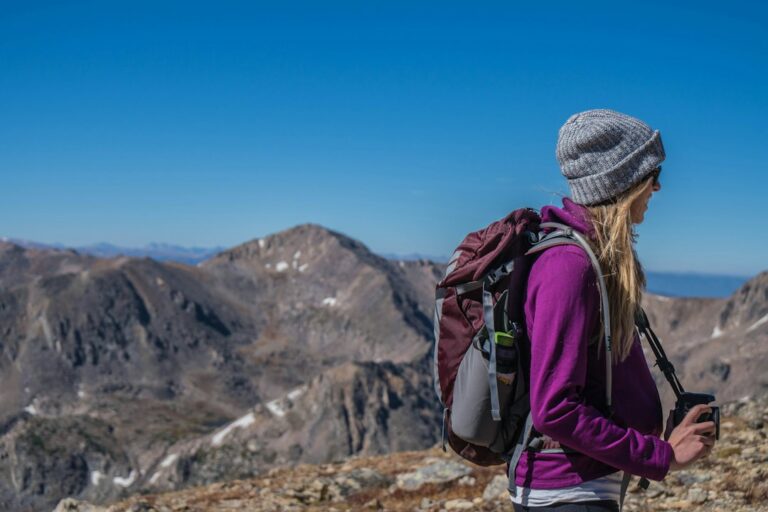
Your hiking journey begins with a reliable backpack. A durable, well-structured backpack not only holds your gear but also distributes weight evenly, making your hike more comfortable. Look for features like padded shoulder straps, a hip belt, and multiple compartments to keep your items organized.
When selecting a backpack, consider the size based on the length of your hike. Day packs are ideal for short excursions, while larger backpacks are necessary for multi-day treks. Ensure the material is weather-resistant to protect your belongings from unexpected rain or moisture.
2. Hydration System
Staying hydrated is crucial while hiking, especially in warmer climates. A hydration system, such as a water bladder or a high-quality water bottle, should be a staple in your backpack. Many backpacks come with a built-in hydration reservoir, allowing for easy access to water without stopping.
Consider the capacity of your hydration system based on the length of your hike. For longer trails, a larger reservoir or multiple bottles may be necessary. Additionally, look for insulated options to keep your water cool during hot days.
3. First Aid Kit
Accidents can happen, even on the safest trails. A well-stocked first aid kit is an essential item in your hiking gear. Your kit should include bandages, antiseptic wipes, pain relievers, and any personal medications you may need.
Regularly check and replenish your first aid kit to ensure all items are in good condition and within their expiration dates. Familiarize yourself with the contents and how to use them, so you’re prepared for any situation that may arise.
4. Navigation Tools
Even the most well-marked trails can lead to confusion without proper navigation tools. A reliable map and compass, or a GPS device, are crucial for staying on track. While smartphones can serve as navigation tools, having a traditional map as a backup is wise in case of battery failure.
Before heading out, study the trail map and familiarize yourself with key landmarks. Understanding how to read a compass and use it in conjunction with your map can enhance your navigation skills and boost your confidence on the trail.
5. Weather-Appropriate Clothing
Weather conditions can change rapidly in the outdoors, making it essential to dress appropriately for your hike. Layering is key; start with moisture-wicking base layers, add insulating layers, and finish with a waterproof outer layer. This approach allows you to adjust your clothing as temperatures fluctuate.
Invest in high-quality hiking socks and sturdy footwear to prevent blisters and provide support. Remember to check the weather forecast before your hike and pack extra layers if conditions are uncertain.
Step-by-step plan:
Step 1: Choose a durable backpack that fits your needs. Step 2: Select a hydration system that suits the length of your hike. Step 3: Assemble a comprehensive first aid kit. Step 4: Equip yourself with navigation tools and weather-appropriate clothing.
6. Multi-Tool or Knife
A multi-tool or a sturdy knife can be invaluable on the trail. These tools can assist with everything from food preparation to gear repairs. Look for a multi-tool that includes various functions, such as a screwdriver, scissors, and a can opener.
Having a reliable knife can also enhance your safety. It can be used for cutting rope, preparing food, or even for self-defense in rare situations. Ensure it is easily accessible in your backpack for quick use.
7. Food and Snacks
Fueling your body is essential during a hike. Pack high-energy snacks like trail mix, energy bars, or jerky to keep your energy levels up. For longer hikes, consider packing a lightweight meal that can be easily prepared on the trail.
Be mindful of food storage to avoid attracting wildlife. Use resealable bags or containers to keep your snacks fresh and secure. Planning your meals ahead of time can also help you maintain a balanced diet while enjoying the great outdoors.
8. Emergency Shelter
An emergency shelter, such as a lightweight tarp or bivy sack, can be a lifesaver in unexpected situations. If you find yourself stranded or caught in inclement weather, having a shelter can provide protection and warmth. Look for options that are compact and easy to set up.
Familiarize yourself with how to use your emergency shelter before heading out. Practice setting it up in your backyard or a safe area to ensure you can do it quickly when needed. This preparation can make a significant difference in an emergency.
9. Headlamp or Flashlight
When hiking, it’s essential to be prepared for low-light conditions. A headlamp or flashlight can illuminate your path and help you navigate safely after sunset. Choose a lightweight, durable option with adjustable brightness settings.
Always carry extra batteries or a backup light source. Familiarize yourself with how to use your light source effectively, including how to conserve battery life during longer hikes. Being prepared for darkness can enhance your safety and confidence on the trail.
10. Trekking Poles
Trekking poles can provide stability and support on uneven terrain. They help reduce strain on your joints and can improve your balance, especially during steep ascents or descents. Look for adjustable poles that can be customized to your height.
Using trekking poles can also help you maintain a steady rhythm while hiking, making your journey more enjoyable. Practice using them before your hike to ensure you’re comfortable and familiar with their benefits.